Why Designers Need Empathy from Leadership
As a designer, it's not just about creating visually appealing solutions; it's about understanding problems, advocating for the user, and crafting thoughtful experiences. However, when leadership, especially non-technical managers, insists on their own solutions without understanding the design process, it can feel like my expertise is completely ignored. This frustrates me and makes me feel that my work has been undervalued, even dismissed for unclear or inappropriate reasons, pushing me closer to burnout.
Why Empathy Matters
Empathy from leadership is essential for forming a collaborative and sustainable workplace. From a UX designer's perspective, design is not just about turning requirements into visual elements; it's about understanding user needs, advocating for them, and creating intuitive and thoughtful user flows. Designers value iteration and the creative process, working to bring better ideas to the table.
For mid-level designers, especially without senior leadership or guidance, we often need to conduct thorough research to stay aligned with both user insights and business values. This can be difficult, as non-technical leadership may not immediately see the value in this work. But the ability to stay focused on long-term goals, even without immediate results, is crucial for the success of the product and the design process.
That is why it is important for designers to feel heard, supported, and respected.
Lacking Empathy Cause Lower Productivity
When non-technical leadership gets too involved in product development, they may unintentionally prioritize their own solutions, dismiss design expertise, and jump into specific solutions from their past experience, resulting in micromanagement and lower morale. This cycle creates frustration, disengagement, and a lack of trust in the design team's abilities. Designers need room to showcase their expertise and tackle problems through the right processes.
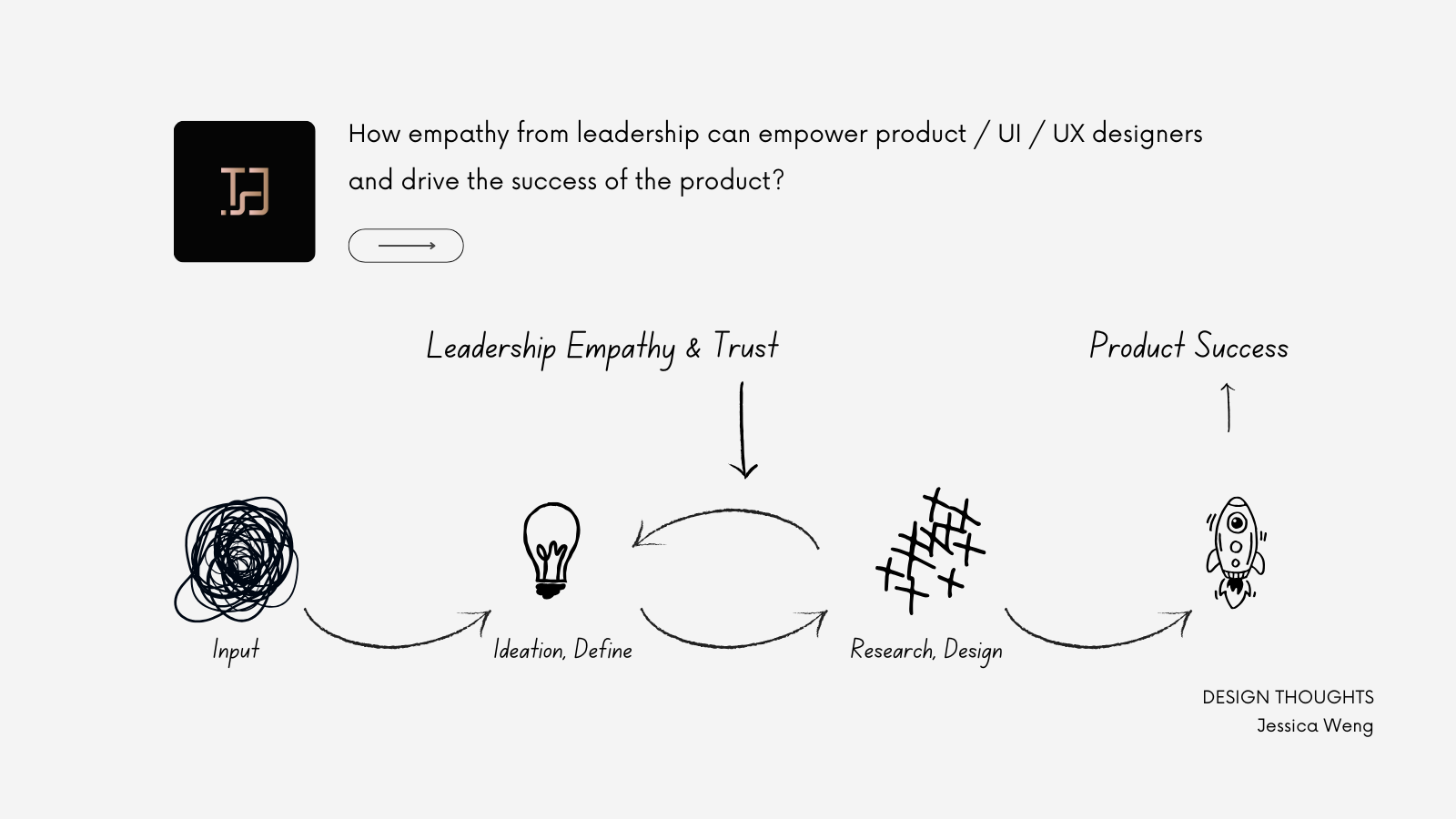
With leadership trusting design expertise, the product design process can align with business goals, continuously evolving through iterations and offering feasible solutions that match the product's pace while collaborating efficiently with the engineering team. As product designers, we're not just following orders; we're solving complex problems that require thoughtful, user-centered solutions.
Genuine Care Leads to Sustainable Growth
For long-term success, no matter the size of the product, understanding and trusting the design process fosters collaboration and innovation. This ultimately leads to sustainable growth for both the product and the product team.
So, What Can I Do as Designer?
As a product and UX designer, I've learned the importance of staying rational and regularly reviewing the design process. Documenting the process in our system and sticking to the plan is essential for maintaining clarity and consistency. I will continue to advocate for the work of all designers and find the right voice to effectively present and communicate with all stakeholders—developers, leadership, and users—ensuring that everyone understands the value of design and its critical role in solving complex problems.